

-
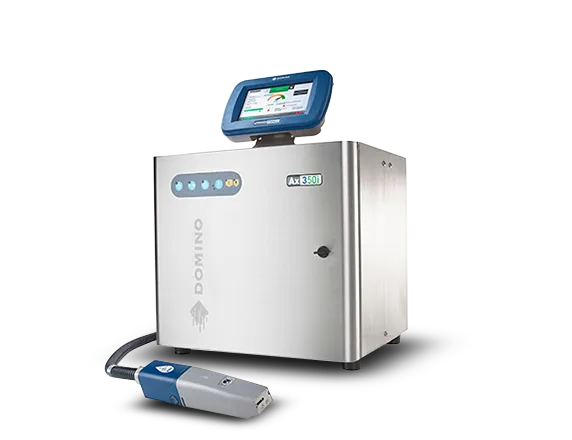
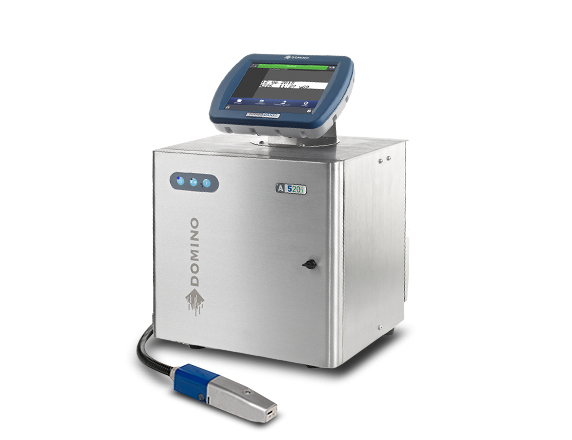
Printing Technology Continuous Inkjet (CIJ) — Non-contact, continuous industrial printing
-
Body / Cabinet Material Stainless Steel (316) with high environmental protection (up to IP66) — resistant to dust, water, washing, and harsh factory conditions
-
Printhead i‑Pulse Printheads — with variable nozzle sizes (e.g., 40, 50, 60 µm or larger depending on the model) to match printing requirements
-
Printhead Cable Length Typically supplied with a standard cable (e.g., 3 meters); longer cables are available for some models
-
Power Consumption / Supply Typically 100–240V AC, with low power consumption (in standby and printing) — suitable for industrial production lines
-
Versatile Printing Capability Alphanumeric text, 1D barcodes, 2D codes (depending on ink and model), date/time, serial numbers, production/expiration codes, logos, standard packaging and traceability barcodes, multi-line messages
-
Inks Wide range of i‑Pulse inks — including high-adhesion inks, chemically or wash-resistant inks, suitable for various surfaces (plastic, metal, glass, packaging films, etc.)
-
Suitable for High-Speed Production Lines These printers are designed for high-speed operation; advanced models can handle fast production lines and rapid packaging processes
-
Flexibility and Compatibility Integration with factory automation systems, support for industrial communication protocols (I/O, encoder, production line connection), and the ability to configure variable messages and data (such as serial numbers, dates, barcodes) for different products
-
Messages and Memory Easy Storage and Management
-
Control and User Interface Simple and Intelligent Operation
-
Environmental and Structural Features Industrial-Grade Durability
-
Dimensions and Weight Cabinet Dimensions: approximately 400 × 330 × 535 mm, Weight: around 20–25 kg
-
Power Supply and Energy Consumption AC 100–240V, 50/60 Hz, optimized power consumption in standby and printing modes
-
Advanced Features Self-cleaning printhead system, simultaneous multi-line printing, reduced ink waste, ability to print logos and variable information
-
Applications Suitable for food, pharmaceutical, packaging, petrochemical, metal, and glass industries
Full Details
Definition and Applications
The Domino jet printer is an industrial inkjet printer that prints variable information without contacting the product surface, such as:
-
Production and expiration dates
-
Serial numbers
-
Barcodes and QR Codes
-
Logos and promotional text
It can print on packaging, bottles, metal, plastic, cartons, and even irregular surfaces.
Types of Domino Jet Printers
Domino offers several series of printers, tailored to different production needs:
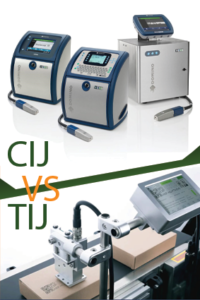
CIJ (Continuous Ink Jet)
-
Most commonly used type
-
Continuous liquid ink printing
-
Suitable for high-speed lines
-
Can print on flat and curved surfaces
TIJ (Thermal Ink Jet)
-
Thermal ink technology
-
Very high print quality
-
Ideal for small packaging and detailed prints
Laser Coding
-
Laser printer, no ink required, non-contact
-
Very high durability on metal, plastic, and glass
Key Features of Domino Jet Printers
-
High speed: Up to several hundred meters per minute, suitable for industrial production
-
Adjustable print quality: From small text to barcodes
-
Print on irregular surfaces: Flexible and adaptable
-
Integration with production lines: Can connect to PLCs and quality control systems
-
Easy maintenance: Replaceable ink and cartridges
Advantages and Limitations of Domino Jet Printers
Advantages:
-
Non-contact and fast printing
-
Automatic variable data printing
-
Durable and high-quality output, suitable for food, pharmaceutical, and packaging industries
Limitations:
-
High initial cost (especially for laser models)
-
Requires ink and periodic maintenance
-
In very dusty environments, more frequent cleaning may be necessary